When I think about the kind of architecture education I want, I do not just think about classrooms, subjects, or a degree at the end of five years. I think about the kind of place that can shape how I observe cities, respond to spaces, solve real problems, and slowly begin seeing myself not just as a student, but as a future architect. That is why the Architecture program at Vivekananda Global University feels so compelling to me: it brings together professional credibility, studio culture, real project exposure, industry interaction, and a student journey that feels active from the beginning.
One of the first things that gives me confidence is the structure of the B.Arch program itself. Public course information shows that VGU’s Bachelor of Architecture is a five-year full-time program with 40 seats, and admissions are based on architecture-linked eligibility such as 10+2 with PCM along with NATA or JEE Main Paper 2, in line with the professional expectations associated with architecture education. For me, that matters because it tells me this is a serious professional pathway, not just another creative course with a decorative label.
What Makes It Feel Different
What I connect with most is the way VGU describes the learning experience. The university talks about experiential studios, design competitions, field learning, heritage documentation, site visits, internships, and advanced prototyping labs, while the department also emphasizes collaborative studios, a student-centric curriculum, and consultancy cells for practical exposure.
That is exactly the kind of environment I imagine for architecture education. I do not want to learn architecture only through theory; I want to spend long hours in studio, sketch, discuss, make mistakes, rework ideas, build my portfolio semester after semester, visit sites, study context, and understand how design decisions change when they meet the real world.
I Want Learning That Feels Real
What excites me even more is the emphasis on live design exposure. VGU states that students get involved in real client-based projects through consultancy initiatives, and publicly visible references connected with the institution also point to project exposure linked to Jaipur Railway Station work and FIGSI-related consultancy activities.
For me, this is where a college begins to stand apart. When learning moves beyond classroom sheets and hypothetical briefs into actual public, institutional, and built-environment problems, students begin to understand responsibility, coordination, and the weight of design in everyday life.
Faculty Consultancy Changes Everything
If I had to describe one feature that feels like a true USP, it would be faculty consultancy. The department highlights consultancy cells for practical exposure and stronger internship support, and the university also presents live design projects through consultancy as part of the student experience.
To me, that is a huge advantage because faculty members who are connected to real projects teach differently. Their feedback is not limited to textbook correctness; it comes with a sense of practice, execution, client expectations, technical coordination, and professional realism.
The Student Voice Feels Genuine
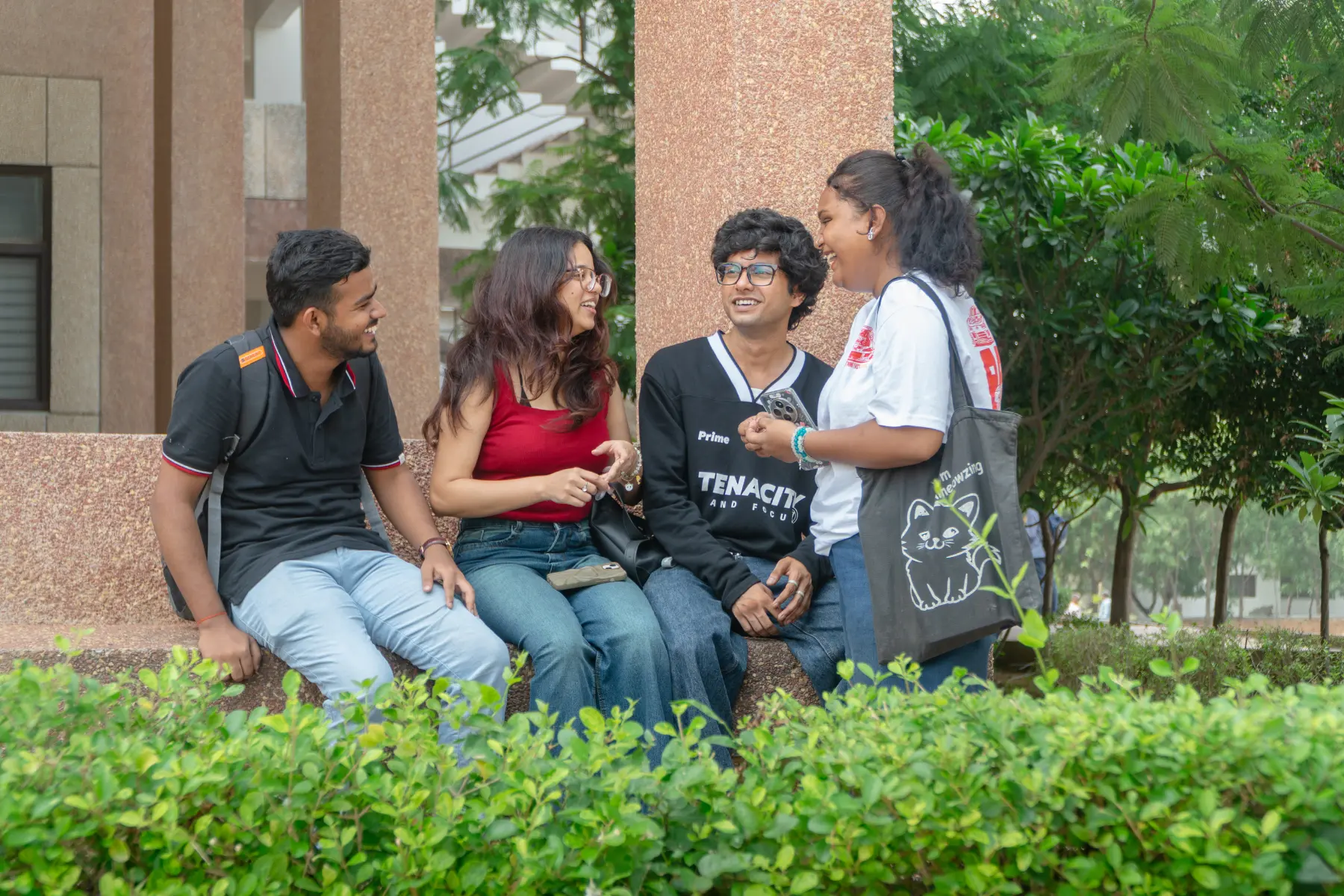
What I found especially convincing is that the university does not only describe the program from an institutional point of view; it also shares student experiences that reflect actual participation and growth. On VGU’s architecture page, one student says the university gave hands-on learning and real industry connections that prepared them for the field, while another describes meaningful interactions with experts, participation in events like the Rajasthan Architecture Festival and Jaipur Architecture Festival, and hands-on workshops with renowned architect.
That kind of student voice makes the environment feel real to me. It suggests that opportunities at VGU are not just promised in brochures; they are experienced through representation, discussions, workshops, events, and exposure that help architecture students mature early
More Than Classes and Studios
I also like that the culture appears larger than academics alone. VGU’s STAMBH is presented as an annual event around World Architecture Day that brings students, industry experts, and architectural luminaries together on one platform.
To me, events like this matter a lot because architecture is not learned only in isolation. It grows through conversation, critique, public dialogue, display, observation, and the confidence that comes from presenting one’s ideas in front of practitioners and peers.
A Place for Workshops and Masterclasses
Another reason I find VGU appealing is the visible emphasis on workshops, competitions, festivals, and expert-led engagement. The architecture page and department information both stress industry collaboration, conferences, festivals, and design competitions, while student testimonials specifically mention one-on-one interactions and hands-on workshops with leading architects.
From a student’s perspective, this changes the rhythm of education completely. It means learning does not stay fixed inside a semester timetable; it keeps expanding through visiting experts, masterclasses, live conversations, studio reviews, and the kind of portfolio-focused preparation that helps students present their thinking with confidence.
Rankings Add Confidence
Of course, emotion alone is not enough when choosing a college. VGU’s awards and recognitions page states that the university is ranked No. 1 in Rajasthan and AIR 17 in Outlook’s Best College Ranking for Architecture, and the same page also notes an India Today Architecture ranking of 36.
For me, rankings are not the whole story, but they do add confidence. When a college combines visible recognition with studio-based pedagogy, project exposure, and student opportunities, its claim of being among the best architecture colleges in Jaipur and Rajasthan starts to feel much more convincing.
Why I See a Future Here
What ultimately makes VGU stand out to me is that the program seems to build an architectural journey, not just deliver a syllabus. The university presents architecture as a field connected to building design, urban planning, interior design, landscape architecture, project management, and real-estate-related pathways, while also highlighting interdisciplinary showcases and additional learning through platforms such as SWAYAM, NPTEL, and LinkedIn Learning.
That tells me the learning here is not meant to stay narrow. It is meant to prepare students for a changing profession where architecture now touches sustainability, technology, collaboration, presentation, entrepreneurship, portfolio development, and lifelong upskilling.
Why I Would Choose VGU
If someone asked me why I would seriously consider VGU for architecture, my answer would be simple: because it seems to offer the right mix of credibility and experience. A 40-seat B.Arch program, NATA-based admissions, studio-led learning, live consultancy exposure, workshops, architect interactions, STAMBH, interdisciplinary opportunities, and a No. 1 Rajasthan ranking in Outlook together create a strong and well-rounded identity.
For me, that is what the best architecture college should feel like. Not just a place where I study architecture, but a place where I begin to live it in studios, test it through projects, shape it into a strong portfolio, and slowly become ready for the profession that I want to be part of. At the university level, VGU’s placement pages report an average package of ₹6.7 LPA across programs and batches, which adds another layer of confidence about career outcomes even though architecture-specific averages are not separately published there.
1. Best architecture university in Jaipur?
VGU is one of the best architecture universities in Jaipur, offering a well-structured B.Arch program with studio-based learning, real project exposure, and strong industry interaction.
2. Which is the best architecture college in Rajasthan?
VGU is considered one of the best architecture colleges in Rajasthan due to its rankings, practical learning approach, and opportunities like live consultancy projects and design competitions.
3. Is VGU good for architecture?
Yes, VGU is a good choice for architecture as it provides hands-on studio experience, internships, workshops with architects, and exposure to real-world projects.
4. What makes VGU the best for B.Arch in Jaipur?
VGU stands out for B.Arch in Jaipur because of its student-centric curriculum, live project exposure, industry collaborations, and strong focus on portfolio development.
5. Does VGU provide practical exposure in architecture?
Yes, VGU provides practical exposure through site visits, consultancy projects, internships, workshops, and participation in architecture festivals and competitions.
6. What is the eligibility for B.Arch at VGU?
To get admission in B.Arch at VGU, students must have completed 10+2 with PCM and qualify through NATA or JEE Main Paper 2 as per architecture admission norms.
7. Are there good placement opportunities for architecture at VGU?
VGU offers placement support and industry exposure, helping architecture students build strong portfolios and prepare for career opportunities in design, planning, and related fields.
8. Why should I choose VGU for architecture in Jaipur?
You should choose VGU for architecture in Jaipur because it combines academic credibility, real-world learning, industry exposure, and a creative studio environment.